| National Park | Habitat | Flora/Fauna | Comments | Picture |
|---|---|---|---|---|
| Arusha National Park established[1]: 1960 renamed[2]: 1967 enlarged: 1973 area: 137 km² | dense forest, swamp, grassland, lakes, alpine highland, rocks 1,525 - 4,565 m | giraffe, buffalo, elephant, zebra, dik-dik, hippopotamus, waterbuck, warthog, leopard, eland, Spotted Hyena, klipspringer, baboon, Blue Monkey, Black-and-white colobus; Greater Flamingo, Lesser Flamingo, Sacred Ibis, Maccoa Duck, Egyptian Goose, turaco, Narina Trogon, Broadbill; Red-hot Poker, Spanish moss, Giant Lobelia | 400 bird species |  |
| Gombe Stream National Park established[3]: 1943 gazetted[4]: 1968 area: 52 km² | miombo woodland, gallery forest 750 - 1,500 m | chimpanzee, olive baboon, Red-tailed Monkey, Red colobus, Diademed Monkey, leopard, bushbuck, buffalo, waterbuck; barbet, Palm-nut Vulture, Forbes' Plover, Fish Eagle, Peters's Twinspot | Jane Goodall worked here | |
| Jozani Chwaka Bay National Park established[5]: 1940s gazetted[4]: 2004 area: 50 km² | swamp forest, mangrove, sea grass bed, salt marsh | Zanzibar Red Colobus, Ader's Duiker | ||
| Katavi National Park established[3]: 1951 gazetted[4]: 1974 area: 4,471 km² | miombo woodland, river, lakes, floodplain 900 m | eland, sable antelope, roan antelope, hippopotamus, crocodile, lion, leopard, elephant, zebra, buffalo, topi; pelican, waterfowl | more than 400 bird species | |
| Kilimanjaro National Park established: 1910s[3], 1921[6] gazetted: 1973[4] world heritage: 1987 area: 753 km² | montane forest, moorland, alpine desert 1830 - 5895 m | Abbott's Duiker, Grey Duiker, Red Duiker, Bushbuck, Eland, Elephant, Leopard, Buffalo, small Antelope, Blue Monkey, Black-and-white colobus, Galago crassicaudatus, Kilimanjaro Tree Hyrax; Abbot's Starling, Raven; Papilio sjoestedti; Giant Lobelia, moss, lichen | 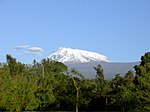 | |
| Kitulo Plateau gazetted[4]: 2002 area: 412.9 km² | montane grassland at 2,600 m | Red-hot Poker, Aloe, Protea, Geranium, Giant Lobelia, Lilies, Asters; Denham's bustard, Blue Swallow, Mountain Marsh Widow, Cisticola njombe, Kipengere Seedeater, Mountain Reedbuck, Eland; Chameleon, Lizards, Frogs | 350 species of vascular plants among which 45 varieties of terrestrial orchid, many bird species | |
| Mahale Mountains National Park gazetted[4]: 14th June 1985 area: 1,613 km² | miombo forest, Kasoge (lowland) forest, montane rainforest 773 - 2,460 m | chimpanzee, Red colobus, Red-tailed monkey, Blue monkey, giant squirrel, Red-legged Sun squirrel, Brush-tailed porcupine, Bushy-tailed Mongoose, Angolan black-and-white Colobus, Sharpe's Grysbok; Red-collared Widowbird, Speckled Mousebird, Crowned Eagle, Bee-eater, Roller, Crested Guineafowl, Ross' Turaco, White-browed Robin-Chat, Red-winged Starling, Violet-backed Starling, parrots | savanna and forest adapted species, 90% of 193 fish species in the lake are endemic | |
| Lake Manyara National Park established[3]: 1957 established[4]: 1960 area: 325 km² | lake (2/3), forest, grassland 960 - 1478 m | elephant, buffalo, lion, Black Rhinoceros, Hippopotamus, Impala, Giraffe, Zebra, wildebeest, bushbuck, leopard, baboon; Lesser Flamingo, Greater Flamingo, White Pelican, Yellow-billed Stork, White-breasted Cormorant, Palm-nut Vulture, Ayres' Hawk-eagle, Nile monitor, cobra | greatest biomass density in the world; tree-climbing lions |  |
| Mount Meru National Park established[4]: ??? | ||||
| Mikumi National Park established: 1964 extended: 1975 area: 3,230 km² | floodplain, grassland, wooded savanna, miombo covered hills 550 - 1,257 m | eland, Greater kudu, Yellow Baboon, Vervet Monkey, Serval, sable antelope, hippopotamus, zebra, lion, wildebeest, impala, buffalo, giraffe, elephant; Lilac-breasted roller, Yellow-throated longclaw, Bateleur Eagle, waterbirds | more than 400 bird species | |
| Ruaha National Park established[3]: 1910 gazetted[4]: 1964 area: 10,300 km² | miombo woodland, savanna 750-1,830 m | elephant; hornbill, kingfisher, sunbird, white stork; African Wild Dog, Sable Antelope, Greater Kudu; Crested Barbet, Yellow-collared Lovebird | more than 400 bird species, high diversity of antelope |  |
| Rubondo Island National Park established[4]: 1977 area: 240 km² | humid forest, lakeside papyrus beds, open grassland 1,134 - 1,381 m | Yellow-spotted otters, Nile perch, Fish eagle, hippopotamus, vervet monkey, genet, mongoose, bushbuck, sitatunga, birds (African grey parrot, Malachite kingfisher, Paradise flycatcher, herons, storks, spoonbills | ||
| Saadani National Park established[3]: 1969 gazetted[4]: 2002 area: 1,062 km² | coast, river, forest, savanna | Giraffe, buffalo, warthog, Waterbuck, reedbuck, hartebeest, wildebeest, Red Duiker, Greater Kudu, Eland, Sable Antelope, Yellow Baboon, Vervet Monkey, Elephant, Lion, Leopard, Spotted Hyena, Black-backed Jackal, Hippopotamus, Crocodile; Mangrove Kingfisher, Lesser Flamingo; Green turtle; mangrove | only sanctuary bordering the sea | |
| Serengeti National Park established[3]: 1929 gazetted[4]: 1951 world heritage: 1981 area: 14,763 km² | grassland plains, savanna, riverine forest, woodland; 920 - 1,850 m | wildebeest, zebra, lion, leopard, elephant, rhinoceros, buffalo, cheetah, gazelle, giraffe, Spotted Hyena, jackal, aardwolf, serval, Agama lizard, Rock hyrax, Secretary Bird, Ostrich, Black eagle | most visited park in Tanzania; famous for massive migration of ungulates; more than 500 bird species | 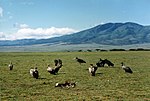 |
| Tarangire National Park established: 1970 [4] area: 2,850 km² | grassland, savanna; 1,000 - 1,500 m | Oryx, Gerenuk, Elephant, Baobab, Lesser Kudu, Wild Dog, Lion Kori Bustard, Ground hornbill, Ostrich, Yellow-collared Lovebird, Rufous-tailed Weaver, Ashy Starling, Dwarf Mongoose, Red-and-yellow Barbet | 550 bird varieties; largest concentration of wildlife after Serengeti |  |
| Udzungwa Mountains National Park established[4]: 1994 area: 1,990 km² | tropical rainforest, mountain forest, miombo woodland, grassland, steppe 250 - 2,600 m | Rufous-winged Sunbird, Udzungwa Partridge; Sanje crested Mangabey. Iringa red colobus, Rungwecerbus kipunji, Matundu dwarf Galago, Mountain dwarf Galago; reptiles and amphibians; Hyrax, Squirrel; also big mammals | more than 400 bird species, 2500 plant species; many endemics (25 % of plant species, 5 primates); second largest biodiversity in Africa |
Wednesday, November 28, 2007
Tanzania National Park List
National Parks in Tanzania:

Subscribe to:
Post Comments (Atom)


No comments:
Post a Comment